Joanne* learned the dangers of poker machines the hard way. Four years ago, she lost her car, her wages, and her rental home as a result of gambling.
As a single mother relying solely on the Parenting Payment, the consequences were devastating. But with determination and support, Joanne rebuilt her life. She secured stable housing and abstained from gambling for several years.
Until a friend sent her a link to an online game.
The 2023 Murphy Report, You Win Some, You Lose More: Online Gambling and Its Impacts on Those Experiencing Gambling Harm, clearly shows that online gambling is causing widespread and escalating harm across Australia.
According to the report, online gambling is:
- the fastest-growing form of gambling in Australia
- a major driver of financial stress, mental health harm, family breakdown, domestic violence, and suicide
- causing harm well beyond “problem gamblers”, affecting families, children, and communities
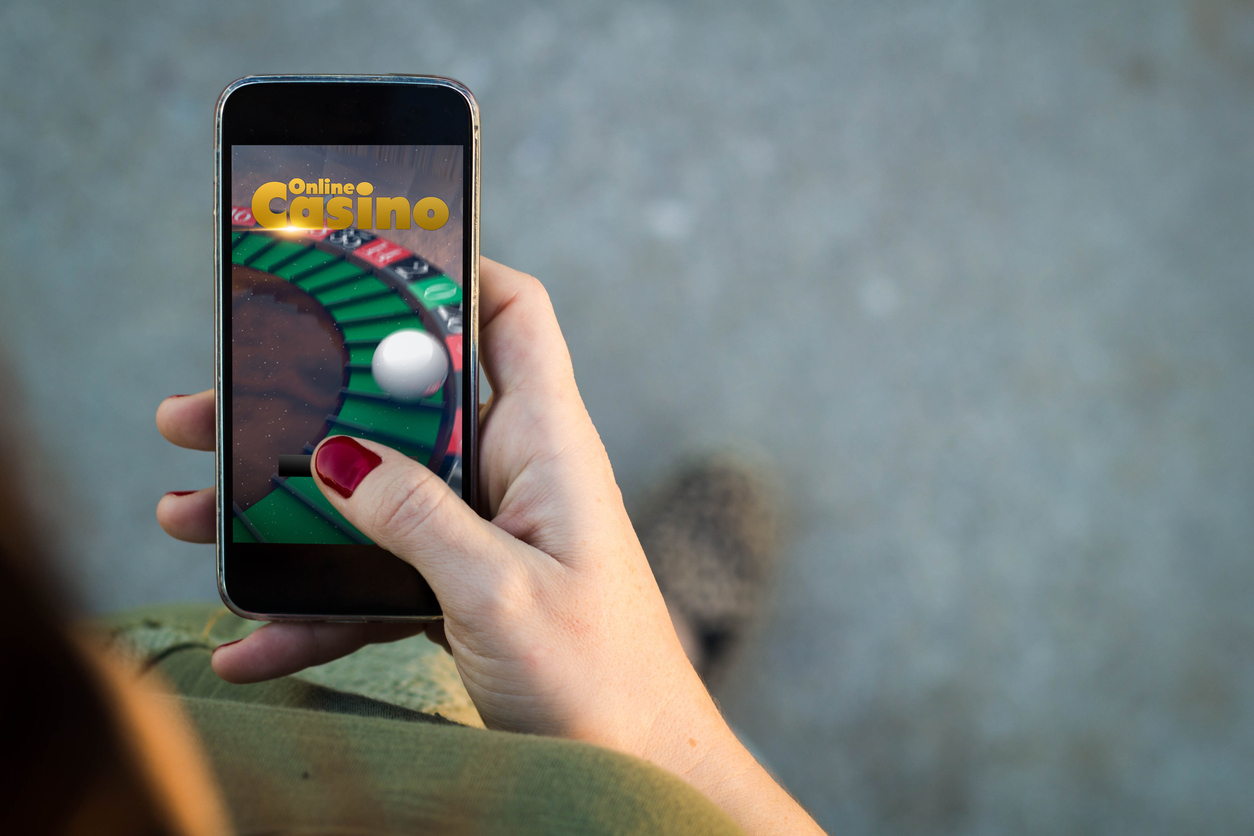
Online gambling carries heightened risk because it is deliberately designed to intensify harm. It is available 24/7 on personal devices, uses push notifications, inducements, and personalised offers, and lacks natural breaks in play. Together these features accelerate addiction risk and financial loss – far more than land‑based gambling.
For Joanne, the situation was even worse.
The link she received didn’t lead to a legitimate gambling platform, but to a fake gambling—or ‘scambling”—site. These offshore, unregulated sites look identical to authentic ones but are designed to take money without paying out legitimate winnings.
Joanne began with small bets of $30-50. The games appeared to generate large wins but those “winnings” were never paid out. Instead, they were locked in as in‑game credits, encouraging her to keep playing.
Over 12 months, Joanne lost $8,000 of her pension to these offshore, unregulated operators. She fell deeper into debt and faced the risk of eviction once again.
Fortunately, Anglicare’s Financial Wellbeing team was able to step in.
Across several sessions, our financial counsellors helped Joanne stabilise her situation. They placed her Buy Now, Pay Later debts on hold, referred her to specialist gambling counselling services, and negotiated a repayment plan for her rental arrears—allowing her and her child to remain in their home.
The team also worked with Joanne to put long-term harm-minimisation measures in place, including a lifetime ban from all Australian-licensed online wagering services and self-exclusion from all pubs and clubs with poker machines.
The National Self‑Exclusion Register currently does not apply to offshore operators, however these steps provide important psychological and practical barriers to relapse.
Anglicare Financial Counsellors work everyday to help families recover from the impact of gambling. But we know that individual support alone is not enough.
Advocacy from organisations like Anglicare Australia continues to be critical in campaigning for stronger regulation and raising awareness of the growing dangers of gambling—particularly online—so fewer people reach crisis point in the first place.
We welcome the federal government’s recent commitment to strengthening gambling harm protections. Once implemented, these reforms will offer greater safeguards for people like Joanne, who are particularly vulnerable to predatory offshore gambling platforms.
However, the scale of Australia’s gambling problem remains immense. Australians lose more money gambling per capita than anywhere else in the world. Too often we see the impact—families like Joanne’s falling behind on rent and slipping into crisis.
Along with Anglicare Australia, we urge the continued and full adoption of the Murphy Reform measures to slow the growing tide of online gambling and protect people, families, and communities.
Learn more about Anglicare’s Financial Wellbeing team.
Read Anglicare Australia’s full response to the Federal Government’s gambling reforms.