“National Sorry Day is more than a date on the calendar for me. It is a day that holds memory, truth, grief, survival, and responsibility.
As an Aboriginal woman, a mother, and someone who has worked in the child and family sector for many years, this day is a powerful reminder of how deeply our work is connected to history. The impacts of forced removal and disconnection from family, culture, and identity are not confined to our past, they continue to ripple through generations of Aboriginal people today.
Recently, I spent time with my family listening to stories from my old people and tracing pieces of our history through Robinvale, VIC. Reflecting on times when my grandmother, my mother, and her siblings lived on the fringes of town, and seeing remnants of their campsites, like pieces of corrugated tin still scattered across the land, was deeply moving. It reinforced for me how vital connection is – Connection to story, to Country, to Identity, and most importantly, to Family. This is when profound healing happens.
In our work, we often meet families at moments of vulnerability, pain, and rupture. National Sorry Day asks us to remember that behind every child, every parent, and every family story is a broader history, one that must be approached with compassion, cultural humility, and truth.
For me, this day is not only about acknowledging the past; it is about our commitment to doing better in the present. It is about creating culturally safe spaces where children can remain connected to who they are, where families are supported to heal, and where culture is recognised as protective, powerful, and essential.
I feel privileged to work in a sector where restoration, healing, and meaningful connection are possible. Every step we take to keep children connected to family, community, and identity matters.
On National Sorry Day, I honour the strength of Stolen Generations survivors, the families who continue to carry this history, and the generations before us whose resilience allows us to keep walking forward with pride.”
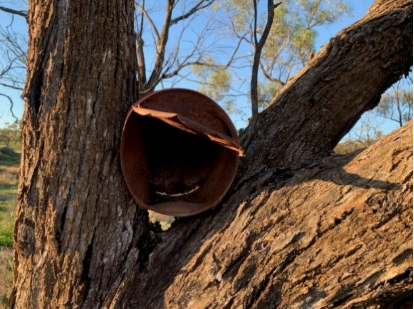
“My mother was just a baby when my grandparents were living on the fringes of town, they moved into their first home in town around 1967, the year of the referendum. My Nan would make bread, placing it in a drum in a tree for passers-by to purchase.”